
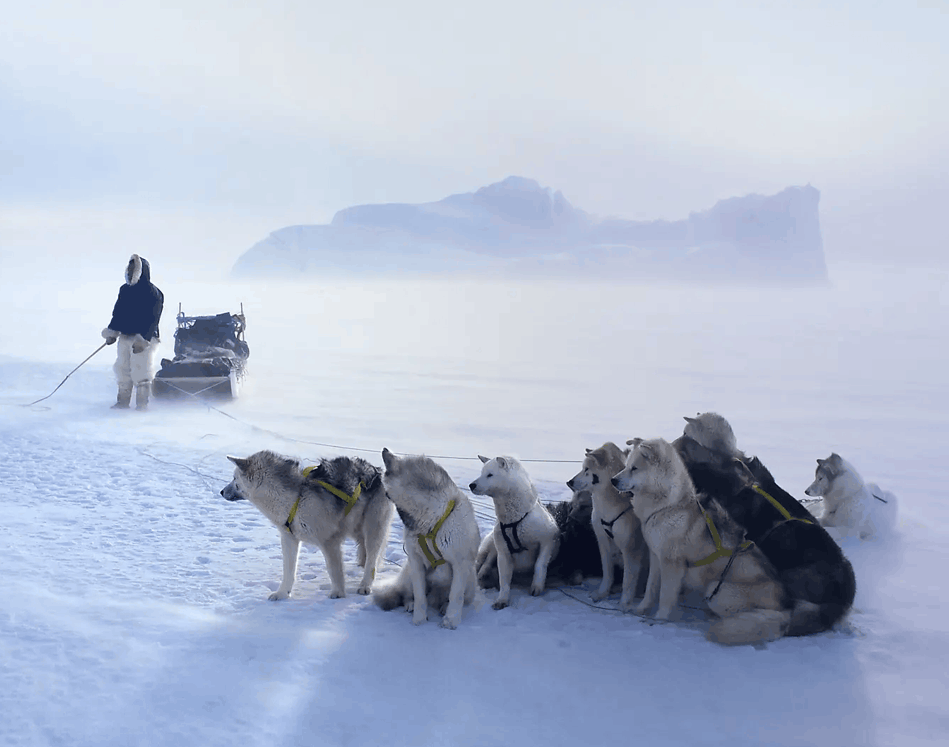
Antarctica and Arctic Expeditions
Polar landscapes, glaciers, icebergs and opportunities for wildlife observation with experienced expedition specialists.

Polar landscapes, glaciers, icebergs and opportunities for wildlife observation with experienced expedition specialists.
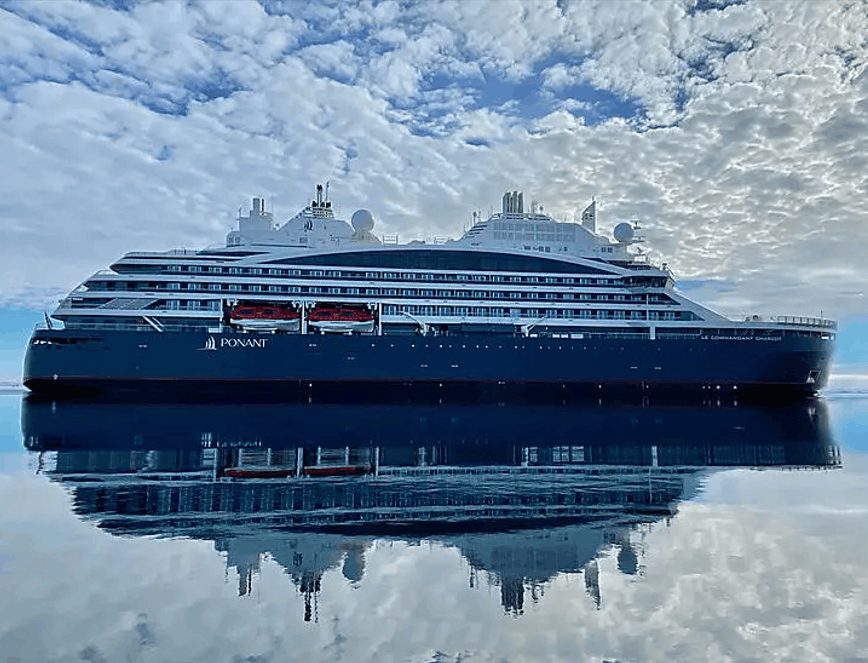
Explore remote waters and islands aboard specially equipped vessels, with guided excursions and shore landings.

Discover unusual natural landscapes, distant communities and lesser-visited regions through carefully planned journeys.
Expedition travel offers access to natural regions that are difficult to experience on conventional holidays. Journeys may cross polar waters, remote archipelagos and fjords, visiting places where weather and local conditions influence the itinerary.
Depending on the destination, programmes may include voyages aboard expedition ships, small-boat outings, guided walks, wildlife observation and presentations by specialists.
Arway Travel helps guests choose expeditions according to destination, travel dates, duration, accommodation preferences and budget. Important considerations include international flight connections, time spent at sea and participation requirements.
Antarctica. One of the world's most remarkable expedition regions. Most classic itineraries explore the Antarctic Peninsula, with opportunities to observe penguins, seals, whales and immense ice formations. Some extended journeys also visit South Georgia and the Falkland Islands.
The Arctic and Svalbard. Explore fjords, glaciers and High Arctic coastlines. Wildlife observation may include walruses, seabirds and other species, depending on the season and local conditions.
Greenland. Discover vast icebergs, glacier-lined fjords, coastal settlements and the distinctive landscapes and cultures of the world's largest island.
Other remote regions. Selected expeditions visit South Pacific islands, the coast of Papua New Guinea or Australia's Kimberley region. Availability and itineraries vary by operator, ship and season.
An expedition cruise differs from a conventional ocean holiday. The ship is both a means of transport and a base for guided exploration in remote areas.
Activities may include small-boat excursions, shore landings, guided walks and educational presentations. Certain operators also offer kayaking or other activities, subject to suitable conditions.
Schedules can change. The captain and expedition leader make decisions about navigation and landings according to passenger safety, sea and ice conditions, and applicable local regulations.
When comparing ships, it is important to consider group sizes, cabin categories, landing equipment, expedition team expertise and the services included.
Expedition vessels offer different levels of comfort, from practical cabins to spacious suites with refined dining and additional onboard facilities.
However, an expedition requires more flexibility than a conventional holiday. Travellers may need waterproof outerwear, warm layers and suitable footwear for shore landings. Some equipment may be provided by the operator.
Boarding small boats and walking on uneven ground can require a reasonable level of mobility. Participation requirements and medical restrictions should be checked before booking.
Travel insurance, cancellation conditions and documentation requirements also deserve careful attention.
Antarctica: the main travel season runs from November to March, during the Southern Hemisphere's summer. Landing opportunities and wildlife activity vary throughout the season.
Svalbard and Greenland: many expeditions operate between May and September. Dates depend on the region, ice conditions and ship schedules.
Remote tropical regions: seasonal conditions are shaped by local rainfall, winds and sea conditions.
Popular expeditions often have limited cabin availability. Booking early is advisable when a particular vessel, departure date or accommodation category is important.
Arway Travel helps guests compare destinations, expedition ships and programmes offered by different operators.
We consider journey length, itineraries, accommodation categories, landing arrangements and possible additional expenses. Depending on the programme, we can also assist with international flights, accommodation before or after the expedition and transfers.
Once we know your preferred destination, dates and budget, we can prepare a personalised proposal with suitable options.
Tell us about your wishes — your personal travel specialist will prepare a proposal tailored to you
The Antarctic Peninsula, Svalbard and Greenland can all be considered for a first expedition. The right choice depends on the season, itinerary length, comfort with sea travel and the natural experiences you wish to enjoy.
Duration depends on the itinerary and how guests reach the region. Some programmes last around ten days, while extended voyages visiting South Georgia and other islands may take two to three weeks or longer. International travel time should also be included.
Expedition travel generally requires suitable clothing for wind, cold and wet conditions. Some operators provide expedition jackets or boots, while others offer equipment for hire. The exact requirements are confirmed for each programme.
No. Shore landings depend on weather, sea and ice conditions, and environmental regulations. Wildlife moves freely, so encounters with particular species cannot be guaranteed.
Some programmes welcome children, subject to age restrictions and activity requirements. It is important to review the operator's policies and choose an itinerary suitable for the family.
The price depends on the destination, season, journey length, ship, cabin category, itinerary, included excursions, flights and transfers. Additional expenses may include equipment, insurance and optional activities.
Message us:


Or call us: